Facts About Cremation Ashes

Cremation has become one of the most common memorial choices around the world, yet many people still have questions about cremation ashes and what truly happens during the process. Families often wonder how much of the body remains after cremation, what are cremated ashes made of, and how long do cremated ashes last. Understanding these details can help provide peace of mind during an emotional time.
In this guide, we will explore important facts about cremation ashes, explain the cremation process, discuss what happens to ashes after cremation, and answer some of the most common questions families ask when choosing cremation for a loved one.
What Is Cremation?
Cremation is the process of reducing a human body to bone fragments through intense heat. The body is placed inside a cremation chamber where temperatures usually range between 1400°F and 1800°F. During this process, soft tissues are vaporized while bone fragments remain.
Many people ask, “what does cremated mean?” Simply put, cremation is an alternative to traditional burial where the body is respectfully transformed into cremated remains, commonly known as ashes.
The cremation process usually takes between two and three hours depending on body size, coffin material, and cremation temperature.
What Are Cremation Ashes?
One of the most searched questions online is “what are cremation ashes?” or “what are ashes from a body?”
Contrary to popular belief, cremation ashes are not actually soft fireplace-like ashes. Cremated ashes are mainly made from processed bone fragments that remain after cremation. Once the cremation process is complete, the remaining bone material is carefully cooled and processed into a fine powder-like texture.
So when people ask:
- what are cremation ashes made of
- what are cremated ashes made of
- composition of human ashes
- what is ashes made of
The answer is mostly calcium phosphates and minerals from bones. Cremated remains also contain small amounts of sodium and potassium.
The final ashes are usually light gray or white in color, depending on bone density and cremation conditions.
How Are Ashes Made During Cremation?
Another common question is “how are ashes made?”
The ashes are created during the cremation process when extreme heat removes water, tissues, and organic material from the body. What remains are bone fragments that are processed into fine cremated remains.
The steps include:
- Placement of the body into the cremation chamber
- Exposure to high heat for several hours
- Cooling of remaining bone fragments
- Removal of metal items such as implants
- Processing the fragments into ashes
This is why the ash of cremation is not burned tissue but processed bone matter.
How Much Ashes Are Left After Cremation?
Families often ask:
- how many ashes are left after cremation
- how many ashes from cremation
- how much ash from a cremated body
- when someone is cremated how much ashes are there
The amount of cremated remains depends on body weight and bone structure. A general rule is that one pound of body weight equals approximately one cubic inch of ashes.
An average adult usually produces:
- 3 to 7 pounds of cremated remains
- Around 180–220 cubic inches of ashes
Men generally produce slightly more ashes due to larger bone density. Children and smaller adults produce less.
This explains why most adult cremation urns are designed with capacities between 180 and 220 cubic inches.
Are Cremated Ashes Really of the Person?
Many people emotionally wonder, “are cremated ashes really of the person?”
Yes, the cremated ashes returned to the family are genuinely the remains of their loved one. Crematories follow strict identification procedures throughout the cremation process to ensure accuracy and respect.
The remains consist primarily of the person’s processed bone fragments. While soft tissue no longer remains after cremation, the ashes are still the physical remains of the deceased individual.
This is why families often choose memorial urns, keepsake urns, or burial urns to honor and preserve the ashes respectfully.
What Happens to the Ashes After a Cremation?
Another common concern is “what happens to the ashes after a cremation?”
After cremation is completed, the ashes are carefully collected and placed into a temporary container or cremation urn chosen by the family.
Families may decide to:
- Keep ashes at home in a memorial urn
- Bury the urn in a cemetery
- Scatter ashes in a meaningful location
- Divide ashes among keepsake urns
- Place ashes in a columbarium niche
- Use biodegradable burial urns
Today, many families also create memorial jewelry, glass art, or customized keepsakes using a small amount of cremated ashes.
Human Ashes Meaning
The phrase human ashes meaning often reflects emotional and symbolic importance rather than just physical remains.
For many families, cremation ashes represent:
- Eternal remembrance
- Spiritual connection
- Family heritage
- Love and memory
- A lasting tribute
Because cremation ashes carry deep emotional value, selecting the right urn becomes an important part of the memorial process.
What Are Cremated Remains?
The terms cremated remains, ashes from a cremation, and ashes of body all refer to the final processed bone fragments left after cremation.
Cremated remains are carefully handled by funeral professionals and returned to the family in a secure container. They are legally treated with the same respect as a buried body.
The remains are sterile and safe to keep, bury, or scatter according to local laws and family wishes.
How Long Do Cremated Ashes Last?
One of the most important questions people ask is “how long do cremated ashes last?”
Cremated ashes can last indefinitely when stored properly. Because they are made mostly of minerals and processed bone matter, they do not decompose like organic material.
To preserve ashes long-term:
- Store them in a sealed urn
- Keep the urn in a dry environment
- Avoid excessive moisture
- Use durable urn materials like wood, brass, or aluminum
Many families pass cremation urns down through generations as treasured memorial keepsakes.
How Deep Are Cremated Ashes Buried?
When families choose burial, they often ask, “how deep are cremated ashes buried?”
Burial depth depends on cemetery rules and local regulations. In many cemeteries:
- Cremation urns are buried around 2–4 feet deep
- Biodegradable urns may require different depths
- Companion urns may need larger burial spaces
Some cemeteries place urns inside urn vaults for added protection.
Interesting Facts About Cremation
Here are some meaningful and surprising facts about cremation that many people do not know:
1. Cremation Has Been Practiced for Thousands of Years
Ancient civilizations including the Greeks and Romans practiced cremation as a respectful funeral tradition.
2. Cremation Is Increasing Worldwide
More families now choose cremation because it offers flexibility, affordability, and personalized memorial options.
3. Ashes Are Usually Gray or White
The color depends on bone density and cremation temperature.
4. Jewelry and Metal Implants Are Removed
After cremation, metal items are separated from the remains before ashes are processed.
5. Cremation Ashes Are Sterile
The intense heat eliminates bacteria and organic matter completely.
Common Myths About Cremation Ashes
Myth 1: Ashes Are Actually Burned Flesh
False. Cremation ashes are mostly processed bone fragments.
Myth 2: Families Receive Mixed Ashes
Professional crematories follow strict identification protocols to ensure proper handling.
Myth 3: Ashes Decompose Over Time
Cremated ashes remain stable indefinitely when properly stored.
Myth 4: Cremation Prevents Memorial Services
Families can still hold funerals, viewings, or memorial ceremonies before or after cremation.
Choosing the Right Urn for Cremated Ashes
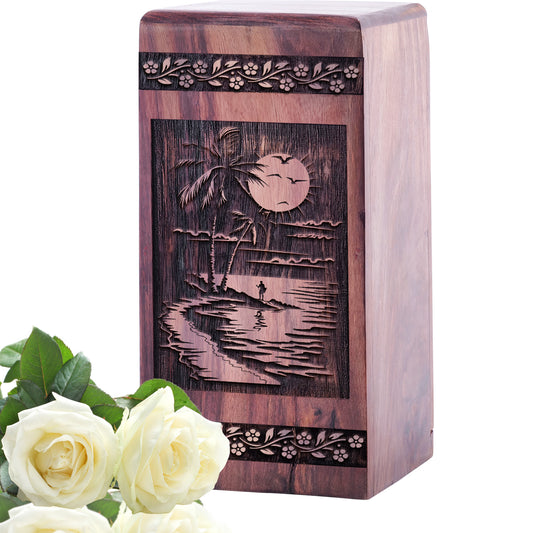
Choosing the correct urn is an important part of honoring a loved one. Today there are many types available, including:
- Wooden cremation urns
- Metal funeral urns
- Keepsake urns
- Companion urns
- Biodegradable urns
- Decorative memorial urns
When selecting an urn, families should consider:
- Capacity size
- Material
- Design style
- Burial or home display use
- Personal symbolism
Many people choose Tree of Life urns, hummingbird urns, elephant urns, or phoenix-themed urns for symbolic remembrance.
Frequently Asked Questions (FAQs)
Is there any DNA left in cremated ashes?
Most DNA is destroyed during the cremation process because of the extremely high temperatures involved. The intense heat breaks down organic material, including genetic material found in cells. While tiny traces of minerals and bone fragments remain, usable DNA for identification purposes is generally not recoverable from standard cremated ashes. This is why families sometimes preserve hair samples or other personal items separately if DNA preservation is important.
What are the facts about human ashes?
Human ashes are primarily made of processed bone fragments rather than burned flesh. Cremated remains are usually light gray or white and consist mainly of calcium phosphate and minerals. An average adult produces about 3–7 pounds of ashes after cremation. The ashes are sterile, safe to keep, and can last indefinitely when stored properly in a sealed cremation urn.
Why do bones not burn in cremation?
Bones do not fully burn because they contain dense mineral structures that can withstand extremely high temperatures. During cremation, soft tissues and organic matter are vaporized first, while bones remain as calcified fragments. After the cremation process is complete, these remaining bone fragments are cooled and processed into the fine ash-like texture families receive as cremated remains.
Do you actually get your loved ones' ashes after cremation?
Yes, crematories follow strict identification and handling procedures to ensure families receive the correct cremated remains of their loved ones. Identification tags and tracking systems remain with the body throughout the process. The ashes returned to the family are the processed bone fragments of the deceased individual, respectfully prepared and placed into an urn or temporary container chosen by the family.
Final Thoughts
Understanding cremation ashes can help families make informed and meaningful memorial decisions during a difficult time. From learning what are cremation ashes made of to understanding how much ashes are left after cremation, every detail helps bring clarity and peace of mind.
Cremation offers flexibility, dignity, and personal remembrance options for families around the world. Whether you choose a handcrafted wooden urn, decorative memorial urn, or biodegradable burial urn, the most important part is honoring the memory and legacy of your loved one with love and respect.