How Much Does It Cost to Get Cremated? Detailed Cremation Cost Guide for Families

Cremation has become one of the most common funeral choices for families across the United States and many other parts of the world. As funeral expenses continue to rise, many people search for affordable and meaningful alternatives to traditional burial services. One of the most frequently asked questions families have during funeral planning is: how much does it cost to get cremated?
The answer depends on several important factors, including the type of cremation service chosen, funeral home fees, location, transportation costs, urn selection, memorial services, and additional arrangements. Some families choose a simple direct cremation with no ceremony, while others prefer a full traditional funeral followed by cremation. Because of these options, cremation prices can vary widely.
Understanding the average cost of cremation can help families make informed decisions during an emotional time. This detailed cremation cost guide explains everything families should know about cremation pricing, service options, hidden fees, cremation urn costs, and the factors that affect the total price of cremation services.
What Is Cremation?
Cremation is the process of reducing a human body to ashes and bone fragments using intense heat in a specialized cremation chamber called a cremator. After the cremation process is complete, the remaining bone fragments are processed into fine ash-like particles, commonly referred to as cremated remains or ashes.
Families may choose to:
- Keep ashes in an urn
- Scatter ashes in a meaningful place
- Bury cremated remains in a cemetery
- Store ashes in keepsake urns
- Place urns in a columbarium
Cremation has become increasingly popular because it offers flexibility, lower costs, and personalized memorial options.
How Much Does It Cost to Get Cremated?
One of the biggest questions families ask is how much does it cost to get cremated. The average cremation cost in the United States typically ranges between $1,000 and $7,000 depending on the type of cremation service selected.
A simple direct cremation is usually the least expensive option and may cost between $800 and $2,500. A full-service funeral with cremation, viewing, memorial ceremony, and upgraded urns can cost significantly more.
The cost of being cremated depends on:
- Type of cremation service
- Funeral home pricing
- State and local regulations
- Transportation fees
- Death certificates
- Cremation permits
- Urn selection
- Memorial service arrangements
Because every family’s preferences are different, cremation pricing can vary considerably.
Average Cost of Cremation in the USA
The average cost of cremation in the USA depends heavily on whether families choose direct cremation or traditional funeral services.
Direct Cremation Costs
Direct cremation is the most affordable cremation option because it does not include embalming, visitation, or formal funeral services.
Average direct cremation cost:
- $800 to $2,500
This usually includes:
- Transportation of the deceased
- Basic paperwork
- Cremation process
- Temporary container for ashes
Many families choose direct cremation because it provides a simple and affordable farewell.
Traditional Cremation Costs
Traditional cremation costs are higher because they often include funeral ceremonies, viewing services, embalming, caskets, flowers, and upgraded memorial arrangements.
Average traditional cremation costs:
- $3,000 to $7,000 or more
These services may include:
- Funeral home use
- Viewing or wake
- Embalming
- Cremation casket rental
- Memorial ceremony
- Cremation urn
Families who prefer more traditional farewell experiences often choose this option.
What Does Cremation Cost Include?
Many people ask what does cremation cost actually include. Cremation pricing often covers multiple services and administrative fees.
Typical cremation costs may include:
- Transportation of the deceased
- Shelter and refrigeration
- Cremation authorization paperwork
- Cremation permits
- Death certificates
- Cremation chamber fees
- Temporary ash container
- Staff and administrative services
Additional services such as memorial ceremonies, upgraded urns, obituary notices, flowers, or cemetery placement may increase the total cost.
Cremation Urn Costs
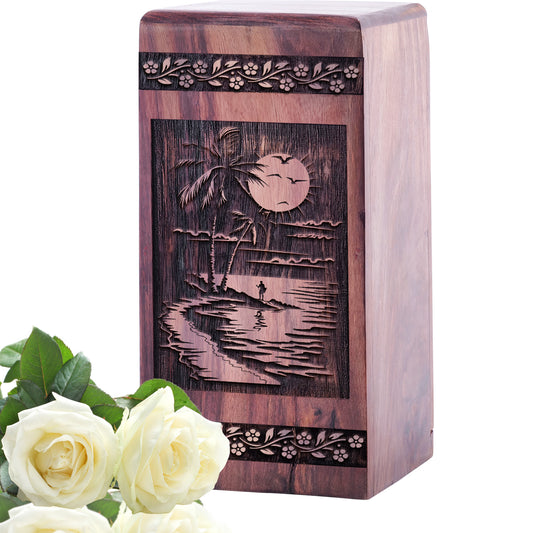
Cremation urn costs vary greatly depending on material, craftsmanship, size, and personalization.
Simple urns may cost:
-
$50 to $200
Premium urns may cost:
-
$300 to $2,000 or more
Popular urn materials include:
- Wood
- Aluminum
- Brass
- Marble
- Ceramic
- Biodegradable materials
Customized urns with engravings, artwork, or themed designs usually cost more. Keepsake urns and companion urns may also have different pricing.
Factors That Affect Cremation Costs
Several important factors influence the total cost of cremation.
Location
Cremation cost in USA cities is usually higher than in rural areas. States with higher living expenses generally charge more for funeral and cremation services.
Funeral Home Services
Different funeral homes have different pricing structures. Some offer affordable direct cremation packages, while others specialize in premium memorial services.
Type of Ceremony
Adding viewings, memorials, religious ceremonies, or receptions increases overall costs.
Urn Selection
Basic urns are affordable, but premium handcrafted urns and personalized memorials can significantly increase expenses.
Transportation Fees
Transportation of the deceased between hospitals, homes, funeral homes, and crematories may involve additional charges.
Direct Cremation vs Traditional Cremation
Understanding the difference between direct and traditional cremation helps families choose the right option for their budget and preferences.
Direct Cremation
Direct cremation is simple and affordable. The body is cremated shortly after death without formal funeral services beforehand.
Benefits include:
- Lower cost
- Simpler arrangements
- Flexibility for later memorials
- Minimal paperwork
Traditional Cremation
Traditional cremation includes funeral services before cremation.
Benefits include:
- Opportunity for viewing
- Religious or cultural ceremonies
- Family gatherings
- Formal memorial experiences
Traditional cremation costs are much higher because more services are involved.
Is Cremation Cheaper Than Burial?
In most cases, cremation is significantly cheaper than traditional burial.
Traditional burial costs often include:
- Cemetery plot
- Burial vault
- Headstone
- Embalming
- Casket
- Funeral home services
These expenses can easily exceed $10,000 to $15,000.
Direct cremation is usually far more affordable because it eliminates many burial-related costs.
Hidden Cremation Costs Families Should Know
Some families are surprised by unexpected fees during cremation planning.
Possible hidden costs include:
- Extra death certificates
- Obituary notices
- Weekend service fees
- Witness cremation fees
- Ash shipping charges
- Expedited permits
- Oversized body fees
Requesting an itemized price list from the funeral provider can help avoid surprises.
How to Save Money on Cremation
Families looking to reduce cremation costs may consider:
- Choosing direct cremation
- Comparing funeral home prices
- Purchasing urns independently
- Holding memorial services at home
- Avoiding unnecessary upgrades
Federal law in the United States requires funeral homes to provide transparent pricing through a General Price List.
Cremation Cost Around the World
Cremation pricing varies internationally.
For example:
- Cremation cost in USA: $1,000–$7,000
- UK cremation costs: £1,000–£4,000
- Australia cremation costs: AUD 2,000–6,000
- Biaya kremasi di Jakarta (cremation costs in Jakarta): prices vary depending on religious and service arrangements
Local traditions, government regulations, and funeral customs greatly affect international cremation costs.
Why More Families Choose Cremation Today
Cremation continues growing in popularity for several reasons:
- Lower cost compared to burial
- Flexible memorial options
- Environmental considerations
- Easier transportation of remains
- Simpler funeral planning
Many families also appreciate the ability to personalize memorials after cremation.
What Happens During the Cremation Process?
Understanding the cremation process often helps reduce anxiety for families.
The process usually involves:
- Identification and authorization
- Removal of medical devices if necessary
- Placement into the cremation chamber
- High-temperature cremation
- Cooling and processing of remains
- Placement of ashes into an urn or container
The ashes returned to the family are primarily processed bone fragments.
Religious Views on Cremation
Religious opinions about cremation vary.
Christianity
Many Christian denominations now accept cremation.
Hinduism
Cremation is an important spiritual practice in Hindu traditions.
Buddhism
Cremation is widely accepted in Buddhist funeral customs.
Islam and Judaism
Traditional Islamic and Jewish teachings generally prefer burial over cremation.
Families often consider spiritual beliefs when deciding between burial and cremation.
Emotional Considerations When Choosing Cremation
Choosing cremation is not only a financial decision but also an emotional one. Families may feel comfort knowing they can keep ashes nearby, create memorial keepsakes, or scatter remains in meaningful places.
Cremation also allows flexibility in memorial timing, which can help families gather together when relatives live far apart.
Cremation and Personalized Memorials
Modern cremation memorials have become increasingly personalized.
Families may choose:
- Engraved urns
- Memorial jewelry
- Ash scattering ceremonies
- Tree planting memorials
- Keepsake urns
- Custom photo displays
These options allow families to celebrate life in meaningful and personal ways.
Frequently Asked Questions (FAQs)
What is the cost of a full cremation?
A full cremation with funeral services, viewing, memorial ceremony, transportation, and upgraded urns typically costs between $3,000 and $7,000 or more in the United States. Pricing depends on location, funeral home services, and memorial preferences.
What body parts don't burn during cremation?
During cremation, soft tissues are completely reduced by heat, but bones do not fully burn. The remaining bone fragments are processed into fine ash-like particles after cremation. Medical implants and metal objects are also removed afterward.
Can I be cremated with a pacemaker?
No, pacemakers must be removed before cremation because they can explode under high heat inside the cremation chamber. Funeral professionals safely remove pacemakers and similar medical devices before the cremation process begins.
Why wait 3 days before cremation?
Many states and countries require a waiting period before cremation for legal, medical, or administrative reasons. This waiting period allows time for death certificates, permits, family arrangements, and any necessary investigations to be completed before cremation takes place.
Final Thoughts
Understanding how much it costs to get cremated can help families make informed and financially comfortable decisions during a difficult time. Cremation offers flexibility, affordability, and meaningful memorial opportunities that continue to make it one of the most popular funeral choices worldwide.
Whether choosing a simple direct cremation or a full traditional cremation service, families should carefully compare pricing, understand included services, and select memorial options that best honor their loved one’s memory.
While funeral planning can feel overwhelming, knowing the average cremation cost, cremation urn costs, and available service options can provide clarity and peace of mind during emotional moments.