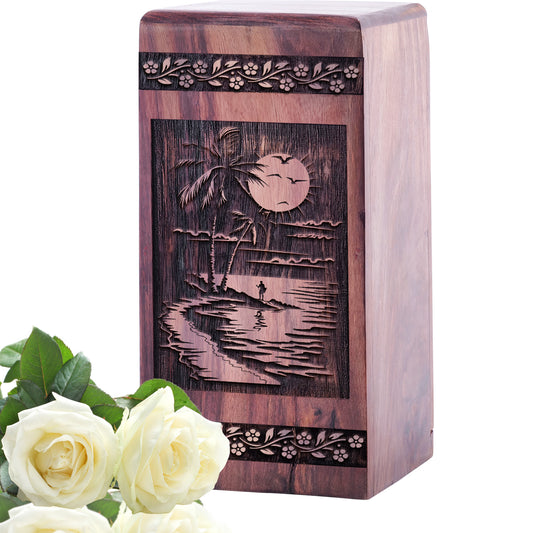
How to Choose the Right Size of Cremation Urn

Choosing a cremation urn is an emotional and meaningful decision. After losing a loved one, families often want a memorial that reflects respect, love, and remembrance. One of the most important aspects when selecting an urn is choosing the correct size. If the urn is too small, it may not hold all the ashes, and if it is too large, it may not look proportionate or suitable for the memorial space.
Understanding urn sizes, dimensions, and capacity can help you make the right choice. In this guide, we will explain how urn sizing works, how to determine the appropriate size, and what factors you should consider when selecting an urn for human ashes.
Understanding Cremation Urn Capacity
Before choosing an urn, it is important to understand how cremation urn capacity works. In general, the size of an urn is measured in cubic inches, which represents the volume of ashes it can hold.
A commonly used guideline in the funeral industry is:
1 pound of body weight = approximately 1 cubic inch of ashes
For example:
- A person weighing 180 pounds will typically require an urn that holds 180 cubic inches.
- A person weighing 200 pounds may require an urn with 200 cubic inches of capacity.
This simple calculation helps families estimate the size of urn for human ashes they will need.
Standard Urn Sizes for Adults
When shopping for urns, you will notice that most adult urns follow standard capacities. Understanding urn sizes for adults makes the selection process easier.
Typical Adult Urn Sizes
| Urn Type | Capacity | Typical Use |
|---|---|---|
| Keepsake Urn | 3–50 cubic inches | Small portion of ashes |
| Medium Urn | 80–150 cubic inches | Smaller adults or partial ashes |
| Standard Adult Urn | 180–220 cubic inches | Most adults |
| Companion Urn | 350–400 cubic inches | Two people |
Most families choose a standard adult urn because it comfortably holds the ashes of an average adult.
Using a urn size chart can help you quickly compare capacities and determine the appropriate urn size.
Urn Sizes in Inches and Centimeters
Urn dimensions vary depending on the design and material. Many people want to know urn sizes in inches or urn sizes in cm to understand how large the urn will look in a home, memorial niche, or burial site.
Typical adult urn dimensions may look like this:
Example Dimensions:
- Height: 9–11 inches (23–28 cm)
- Width: 6–8 inches (15–20 cm)
- Capacity: 200 cubic inches
For wooden memorial containers, wooden urn box dimensions may vary slightly depending on craftsmanship and design style. Wooden urns are often rectangular and may appear slightly larger than metal urns while holding the same volume.
Using a Cremation Urn Size Calculator
If you want a quick and accurate estimate, many funeral websites offer a cremation urn size calculator. These tools allow you to enter the person's weight and automatically determine the recommended urn capacity.
Example:
| Body Weight | Recommended Urn Size |
|---|---|
| 120 lbs | 120 cubic inches |
| 180 lbs | 180 cubic inches |
| 250 lbs | 250 cubic inches |
These calculators are helpful when families are unsure about the correct urn capacity.
What Size Urn Do I Need for a 300 Pound Man?
A common question families ask is: What size urn do I need for a 300 pound man?
Using the standard calculation:
300 pounds = approximately 300 cubic inches of ashes
In this situation, you should choose:
- A large adult urn with at least 300 cubic inches capacity, or
- A companion urn, which often holds 350–400 cubic inches
Choosing a slightly larger urn is usually recommended because cremation remains can vary slightly depending on bone density and cremation conditions.
Types of Cremation Urns and Their Designs
Beyond size, the design of an urn is also important. Many families want a memorial that reflects the personality or life of their loved one.
What is a Typical Design for a Cremation Urn?
Typical cremation urn designs include:
- Traditional vase-shaped urns
- Wooden urn boxes
- Handcrafted memorial urns
- Keepsake urns for family members
- Companion urns for couples
Wooden urns are especially popular because they offer warmth, natural beauty, and timeless elegance.
Common wooden urn box dimensions include:
- 10 x 7 x 7 inches
- 11 x 8 x 8 inches
- 9 x 6 x 6 inches
These dimensions vary depending on the capacity required.
What Happens If Ashes Don’t Fit in an Urn?
Sometimes families worry about what happens if the ashes do not fit in the urn they choose.
If an urn is too small:
- The funeral home may place extra ashes in a temporary container.
- Families can purchase keepsake urns to share ashes among relatives.
- Some ashes may be scattered in a memorial location.
To avoid this situation, it is always recommended to choose an urn with slightly more capacity than needed.
How Big Should a Cremation Urn Be?
When asking how big should a cremation urn be, consider these factors:
- Body weight of the deceased
- Whether ashes will be divided among family members
- Whether the urn will be displayed, buried, or placed in a niche
- Design and material of the urn
For most adults, an urn with 200 cubic inches capacity is usually sufficient.
How Long Do Human Ashes Last in an Urn?
Many families wonder how long human ashes last in an urn. The answer is simple: cremated remains can last indefinitely if stored properly.
Ashes are composed mainly of bone fragments and minerals, which do not decompose easily. When stored in a sealed urn:
- They can last hundreds of years.
- Environmental conditions such as moisture or humidity have little effect if the urn is properly sealed.
This makes cremation urns a long-lasting memorial for loved ones.
Which Body Part Does Not Burn in Cremation?
A common question people ask is: Which body part does not burn in cremation?
During cremation, the body is exposed to extremely high temperatures, typically between 1400–1800°F (760–982°C).
Soft tissues are completely consumed, but bones do not fully burn into ash. Instead, they are processed into fine particles after the cremation process.
Items that may remain include:
- Metal implants
- Surgical screws
- Dental fillings
These materials are removed before the ashes are returned to the family.
Choosing the Right Urn Material
Urn size is important, but the material of the urn also affects its durability and appearance.
Common urn materials include:
- Wood
- Metal
- Ceramic
- Marble
- Biodegradable materials
Wooden urns are particularly popular for home display because they offer a warm, natural look and can be handcrafted with beautiful detailing.
Tips for Choosing the Right Cremation Urn
Here are some practical tips to help you select the perfect urn:
✔ Choose a slightly larger capacity than the estimated ashes volume
✔ Check urn sizes in inches or cm to understand the physical dimensions
✔ Consider where the urn will be placed (home, niche, burial)
✔ Look for secure lids or sealing mechanisms
✔ Choose a design that reflects the personality of your loved one
A carefully chosen urn becomes a lasting tribute and a meaningful symbol of remembrance.
Conclusion
Selecting the right urn size is one of the most important steps when planning a memorial after cremation. Understanding urn sizes, capacity calculations, and dimensions helps ensure the ashes are respectfully stored and preserved.
Using tools like a urn size chart or cremation urn size calculator can make the decision easier, especially when estimating the correct size of urn for human ashes.
Whether you choose a handcrafted wooden urn, a traditional memorial urn, or a companion urn for couples, the most important thing is selecting a memorial that honors your loved one with dignity and care.
A well-chosen cremation urn serves not only as a container for ashes but also as a timeless tribute to a life that will always be remembered.
Frequently Asked Questions (FAQs)
How big should a cremation urn be?
Choosing the correct cremation urn size is important to ensure the ashes fit comfortably and securely. A general rule followed by funeral homes and cremation providers is that one pound of body weight equals approximately one cubic inch of ash capacity. For example, a person who weighed 180 pounds would usually require an urn with at least 180 cubic inches of space. Many standard adult urns range between 180–220 cubic inches, making them suitable for most individuals. Families may also choose companion urns, keepsake urns, or larger memorial urns depending on how they wish to preserve or share the ashes.
How Big Should an Urn Be? Finding the Right Urn Size
Finding the right urn size depends mainly on the amount of cremated remains that need to be stored. Most adult cremation urns are designed with a capacity of 180 to 220 cubic inches, which is sufficient for the ashes of an average adult. Larger individuals may require oversized urns with additional capacity, while children or pets usually require smaller urns. Companion urns are available for couples, and keepsake urns are ideal for sharing ashes among family members. Always check the urn’s listed capacity before purchasing to ensure it suits your memorial needs.
How long do human ashes last in an urn?
Human ashes can last indefinitely when stored properly in a sealed cremation urn. Cremated remains are made primarily of processed bone fragments, which do not decompose like organic material. High-quality urns made from wood, metal, ceramic, or stone help protect ashes from moisture, dust, and environmental damage for generations. Keeping the urn in a cool, dry location further helps preserve its condition over time. Many families pass urns down as treasured memorial keepsakes, ensuring loved ones are remembered for years to come.
Which body part does not burn in cremation?
During the cremation process, soft tissues and organs are reduced through intense heat, but bones do not completely burn away. Instead, the remaining bone fragments are carefully collected after cremation and processed into the fine ash-like particles commonly referred to as cremated ashes. Materials such as metal implants or medical devices may also remain and are typically removed before the ashes are placed into an urn. The final cremated remains are then respectfully stored in a memorial urn, keepsake urn, or burial container chosen by the family.
What is a typical design for a cremation urn?
Cremation urns come in many styles and designs to reflect personality, beliefs, hobbies, or memorial preferences. Traditional urns are often vase-shaped with secure lids, while wooden urn boxes provide a warm and natural appearance. Modern urns may feature artistic engravings, symbolic themes like trees or birds, or contemporary metallic finishes. Families can also choose keepsake urns, companion urns for couples, biodegradable burial urns, or custom-designed memorial urns. The design often reflects the life, values, and memories of the loved one being honored.
What happens if ashes don't fit in an urn?
If the ashes exceed the capacity of the chosen urn, there are several respectful options available. Families may transfer the remaining ashes into keepsake urns so multiple relatives can preserve a portion of the cremated remains. Some people use temporary containers or cremation boxes for extra ashes, while others choose to scatter a portion in a meaningful location. In some cases, upgrading to a larger urn or companion urn may be the best solution. It is always recommended to verify urn capacity before purchasing to avoid space concerns later.