Types of Funeral Traditions in US: A Complete Guide to American Farewells

Funeral traditions in the United States reflect the country’s rich cultural diversity, religious beliefs, family values, and regional customs. From traditional church funerals to modern celebrations of life, American farewells are deeply personal and meaningful. Every family honors loved ones differently, yet the purpose remains the same — to remember, celebrate, and say goodbye with dignity and love.
Today, funeral customs in America continue to evolve. Some families follow long-standing religious funeral rites, while others choose personalized memorial ceremonies, cremation services, eco-friendly burials, or unique regional traditions. Understanding these funeral practices can help families navigate emotional decisions during difficult times and provide comfort while planning a respectful farewell.
In this complete guide, we will explore the most common funeral traditions in America, funeral procedures, cultural customs, burial practices, cremation trends, and modern memorial traditions followed throughout the United States.
Understanding Funeral Traditions in America
Funeral traditions in America are shaped by a combination of religion, heritage, regional influences, and personal preferences. Unlike some countries where funeral practices follow one dominant tradition, funerals in the United States vary greatly depending on family background and beliefs.
American funerals often focus on:
- Honoring the life of the deceased
- Offering emotional support to grieving loved ones
- Celebrating memories and achievements
- Providing spiritual comfort
- Creating closure and remembrance
Because America is multicultural, funeral ceremonies may include Christian prayers, military honors, cultural rituals, music celebrations, or even modern celebration-of-life gatherings.
Traditional Funeral Services in the United States
A traditional funeral remains one of the most common funeral practices in America. Traditional funerals usually follow a structured process organized through a funeral home or religious institution.
A standard traditional funeral often includes:
- Visitation or wake
- Funeral ceremony
- Burial or cremation
- Reception or gathering afterward
Traditional funeral services provide family and friends an opportunity to gather together, express grief, and honor the memory of the deceased.
Viewing or Visitation
A viewing, also known as a visitation or wake, is commonly held before the funeral service. During this gathering, family and friends can pay their respects, offer condolences, and spend time together in remembrance.
In many traditional American funerals:
- The deceased may be displayed in an open or closed casket
- Floral arrangements surround the casket
- Guests share memories and prayers
- Religious leaders may lead short services
Visitations help loved ones emotionally prepare for the final farewell while creating a supportive environment for grieving families.
Funeral Ceremonies
Funeral ceremonies are formal services held to honor the life and legacy of the deceased. These ceremonies can be religious, spiritual, or non-religious depending on family wishes.
Common elements of funeral ceremonies include:
- Prayers and scripture readings
- Eulogies from loved ones
- Memorial music or hymns
- Photo displays and tribute videos
- Flower arrangements
- Readings or poems
Funeral ceremonies may take place in:
- Churches
- Funeral homes
- Cemeteries
- Family homes
- Outdoor memorial spaces
Modern funeral services are increasingly personalized to reflect hobbies, personality, achievements, or passions of the deceased.
Burial Traditions in America
Burial is one of the oldest and most traditional funeral customs in the United States. In a traditional burial, the body is placed inside a casket and buried in a cemetery or memorial park.
Burial ceremonies often include:
- Graveside prayers
- Lowering of the casket
- Floral tributes
- Religious blessings
- Final words from family members
Many cemeteries offer:
- Family burial plots
- Mausoleums
- Veteran memorial sections
- Green burial spaces
Families often visit gravesites regularly to place flowers, honor anniversaries, and maintain emotional connection with loved ones.
Cremation Funeral Practices
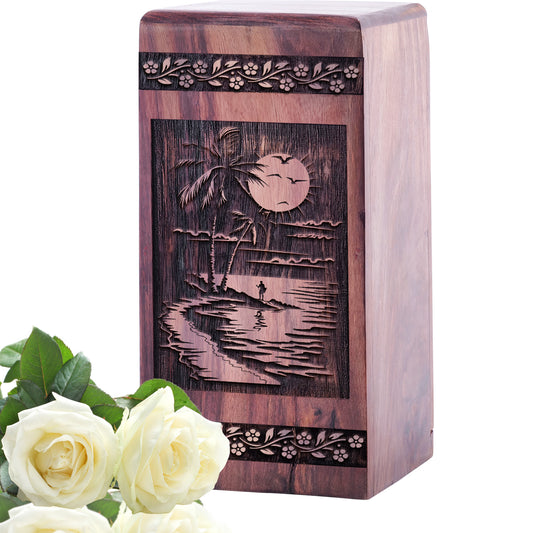
Cremation has become increasingly popular across the United States over the past few decades. Today, many families choose cremation because it offers flexibility, affordability, and personalized memorial options.
In cremation, the body is respectfully reduced to cremated remains through high heat. The ashes are then returned to the family in an urn or memorial container.
Families may choose to:
- Keep ashes at home
- Scatter ashes in meaningful locations
- Bury cremation urns
- Place urns in columbariums
- Divide ashes among keepsake urns
Cremation services may still include traditional funeral ceremonies, religious rituals, or memorial gatherings.
Celebration of Life Ceremonies
Celebration-of-life ceremonies are becoming one of the most popular modern funeral traditions in America. Unlike traditional funerals focused mainly on mourning, celebrations of life emphasize joyful remembrance and honoring memories.
These gatherings often include:
- Favorite music
- Storytelling and speeches
- Video tributes
- Casual dress codes
- Personal decorations
- Shared meals or receptions
Celebration-of-life ceremonies may take place:
- At homes
- Beaches
- Parks
- Restaurants
- Community centers
Families often prefer these services because they create a more uplifting atmosphere centered around gratitude and cherished memories.
Religious Funeral Traditions in the US
Religion continues to play an important role in many American funeral customs.
Christian Funeral Traditions
Christian funerals are among the most common funeral practices in America. Services usually include:
- Church ceremonies
- Bible readings
- Hymns and prayers
- Sermons about faith and eternal life
Catholic funerals often involve funeral masses and graveside blessings.
Christian funeral traditions focus on comfort, hope, and spiritual peace.
Jewish Funeral Customs
Jewish funeral traditions emphasize simplicity, dignity, and respect. Burial typically occurs quickly after death, and cremation is often avoided in traditional Jewish practices.
Important customs include:
- Shiva mourning period
- Psalms and prayers
- Plain wooden caskets
- Community support for grieving families
Jewish funeral ceremonies are generally solemn and spiritually focused.
Muslim Funeral Practices
Islamic funeral customs follow strict religious traditions.
Muslim funeral practices usually involve:
- Washing the body
- Wrapping the body in white cloth
- Burial facing Mecca
- Funeral prayers called Salat al-Janazah
Cremation is generally prohibited in Islam because burial is considered the proper religious practice.
Hindu Funeral Traditions
Hindu funerals commonly involve cremation and spiritual rituals that reflect beliefs in reincarnation and the soul’s journey.
Traditions may include:
- Prayer ceremonies
- Flower offerings
- Cremation rites
- Ash immersion in rivers or sacred water
Family members often participate closely in funeral rituals and mourning ceremonies.
Military Funeral Traditions
Military funerals honor veterans and active-duty service members for their dedication and sacrifice.
Military funeral traditions may include:
- Flag-draped caskets
- Honor guards
- Rifle salutes
- Playing of “Taps”
- Presentation of the folded American flag to family members
These ceremonies symbolize patriotism, respect, and national gratitude.
Green Burials and Eco-Friendly Funerals
Eco-friendly funerals have become increasingly popular in recent years. Green burials aim to reduce environmental impact while honoring the deceased naturally.
Green funeral practices may include:
- Biodegradable caskets or urns
- Natural burial grounds
- No embalming chemicals
- Tree-planting memorials
Many families choose green funerals because they align with environmental values and sustainability.
Unique Regional Goodbye Traditions in the US
Different regions of the United States have developed unique funeral customs and farewell traditions.
Southern Funeral Traditions
Southern funerals often involve strong family participation, church-centered services, and large gatherings. Meals shared after the funeral are common, and storytelling plays an important emotional role.
Southern funeral traditions emphasize:
- Hospitality
- Community support
- Religious faith
- Emotional remembrance
New Orleans Jazz Funerals
New Orleans jazz funerals are among the most famous and unique funeral traditions in America.
These ceremonies include:
- Brass band processions
- Traditional jazz music
- Public parades
- Celebration of life themes
The funeral often begins solemnly before transforming into a joyful musical celebration honoring the spirit and legacy of the deceased.
Hawaiian Funeral Traditions
Hawaiian memorial customs often blend spirituality, family traditions, and nature.
Traditions may include:
- Flower leis
- Ocean ash scattering
- Chanting and music
- Family gatherings near the sea
Hawaiian funeral practices emphasize peace, ancestry, and spiritual connection.
Funeral Procedures in the USA
The funeral procedure in the United States generally follows several organized steps.
Step 1: Pronouncement of Death
A doctor or medical professional legally confirms the death.
Step 2: Transportation
The deceased is transported to a funeral home or crematory.
Step 3: Funeral Planning
Families meet with funeral directors to plan services, burial, or cremation.
Step 4: Preparation
The body may be embalmed, dressed, and prepared for viewing.
Step 5: Ceremony
A funeral or memorial service is held.
Step 6: Burial or Cremation
The final disposition takes place.
Step 7: Reception
Families and friends gather afterward for support and remembrance.
Funeral Costs in America
Funeral expenses can vary significantly depending on location and service type.
Average costs include:
- Traditional burial funerals: $7,000–$15,000
- Cremation funerals: $1,000–$5,000
- Green burials: $2,000–$6,000
Costs may include:
- Funeral home services
- Caskets or urns
- Transportation
- Cemetery fees
- Obituaries
- Flowers and memorial programs
Many families now choose cremation because it is often more affordable.
Common Funeral Etiquette in America
Funeral etiquette helps create a respectful atmosphere for grieving families.
Proper funeral etiquette includes:
- Dressing conservatively
- Arriving on time
- Offering condolences respectfully
- Silencing mobile phones
- Respecting religious customs
Sending sympathy cards, flowers, or memorial donations is also common.
Music in American Funeral Traditions
Music plays an emotional role in many funeral ceremonies.
Popular funeral songs include:
- Amazing Grace
- Ave Maria
- Wind Beneath My Wings
- Somewhere Over the Rainbow
- My Way
Families often choose songs that reflect personal memories or spiritual beliefs.
Modern Changes in Funeral Customs
Modern funeral traditions continue evolving with technology and personalization.
Recent trends include:
- Livestream funeral services
- Online memorial pages
- Digital tribute videos
- Customized cremation urns
- Celebration-of-life events
Families increasingly prefer personalized memorials that reflect the individual’s life and personality.
Why Funeral Traditions Matter
Funeral traditions help families:
- Process grief
- Preserve memories
- Honor cultural values
- Find emotional support
- Celebrate life and legacy
Even simple memorial rituals can provide comfort and healing during loss.
Different Funeral Traditions Around America
Because the United States is culturally diverse, funeral customs vary greatly between families and regions. Some people prefer religious burial ceremonies, while others choose cremation, celebrations of life, military honors, or eco-friendly memorials.
This diversity allows families to create personalized farewells that truly reflect the beliefs, personality, and legacy of their loved ones.
Frequently Asked Questions (FAQs)
What are the different types of funerals in the US?
The most common types of funerals in the United States include traditional burial funerals, cremation services, memorial services, celebration-of-life ceremonies, military funerals, religious funerals, and green burials. Families may personalize services according to beliefs, culture, and personal wishes.
What time is the funeral for Charlie Kirk?
Funeral details for public figures such as Charlie Kirk may vary depending on family arrangements and whether the services are public or private. The best source for updated information is official family announcements or verified news outlets.
What are the basic components of funeral traditions in the United States?
Most funeral traditions in the United States include visitation or viewing, funeral ceremonies, burial or cremation, and a gathering afterward for family and friends. Services may also involve prayers, music, flowers, eulogies, and memorial tributes.
What is the most beautiful funeral song?
Beauty in funeral music is personal, but some of the most loved funeral songs include “Amazing Grace,” “Ave Maria,” “Somewhere Over the Rainbow,” and “Wind Beneath My Wings.” Families often select songs that hold emotional meaning or reflect the personality of their loved one.
Final Thoughts
Funeral traditions in America are deeply meaningful and continue to evolve with changing generations and cultural influences. From traditional church funerals and military honors to celebration-of-life ceremonies and eco-friendly burials, every farewell reflects love, memory, and respect.
Understanding American funeral customs can help families make thoughtful decisions during difficult times while creating lasting tributes that honor the life and legacy of their loved ones. Whether simple or elaborate, every funeral ceremony serves the same purpose — bringing people together to remember, grieve, celebrate, and say goodbye with dignity and compassion.