What to Say When Someone Says “Sorry for Your Loss” – Thoughtful & Polite Responses

Losing a loved one is one of life’s most difficult experiences. During such emotional times, people often offer condolences by saying, “I’m sorry for your loss.” While their intentions are kind, many people struggle with what to say when someone says sorry for your loss after you mention a deceased loved one.
If you’ve ever wondered when someone says I’m very sorry for your loss what are you supposed to answer, you’re not alone. This guide will help you understand the best ways to reply when someone says sorry for your loss, whether it’s in person, over text, or at a memorial service.
Why It’s Hard to Respond to Condolences
Grief affects everyone differently. When someone says “sorry for you lost” (even if the phrase is slightly incorrect), the intention is to show sympathy. However, your emotional state may make it difficult to respond.
You might feel:
- Overwhelmed
- Emotionally drained
- Unsure of what is socially appropriate
That’s why knowing how to respond to I'm sorry for your loss can help you navigate these situations with ease and comfort.
Simple and Polite Responses to “Sorry for Your Loss”
If you’re looking for a short reply to condolence message, here are some respectful and widely accepted responses:
- “Thank you, I appreciate your kind words.”
- “Thank you for your support during this time.”
- “I’m grateful for your thoughts.”
- “It means a lot to me, thank you.”
- “Thank you for being there.”
These are ideal when you’re unsure about what to reply for sorry for your loss and want to keep things simple.
Thoughtful Ways to Respond Based on Relationship
1. Reply to Condolence Message on Death of Father or Mother
When the loss is deeply personal, such as a parent, your response can reflect your emotions:
- “Thank you. My father meant the world to me.”
- “I truly appreciate your kindness. My mother will always be in my heart.”
- “Your words bring comfort during this difficult time.”
These responses work well for reply to condolence message on death of father or reply to condolence message on death of mother.
2. Reply to Condolence Message on Death of Grandmother
- “Thank you, she lived a beautiful life.”
- “I appreciate your support. She will be deeply missed.”
- “Your kindness means a lot to me.”
This helps when you’re thinking about reply to condolence message on death of grandmother.
3. How to Respond to Condolences from Coworkers
Professional settings require a balanced tone:
- “Thank you for your support, I truly appreciate it.”
- “I’m grateful for your understanding during this time.”
- “Your kind words mean a lot.”
If you’re unsure how to respond to condolences from coworkers, keep it respectful and brief.
How to Respond to Condolences Over Text
In today’s digital world, many people send messages instead of speaking in person. If you’re wondering how to respond to death text, here are some examples:
- “Thank you for your message and support.”
- “I appreciate you reaching out during this time.”
- “Your words mean a lot, thank you.”
These are perfect for a thank you reply to condolence message on death.
More Personalized Responses
Sometimes, you may want to express more emotion:
- “Thank you, your support is helping me get through this.”
- “I appreciate your kindness during such a difficult time.”
- “Your words truly bring comfort.”
These responses are ideal when considering etiquette responding to I'm sorry for your loss when spouse died, where emotions are deeper and more personal.
When You Don’t Feel Like Responding
It’s completely okay if you don’t want to respond immediately. Grief takes time, and there is no obligation to reply to every message right away.
A delayed response like:
-
“Sorry for the late reply, but thank you for your kind words.”
is perfectly acceptable.
Cultural and Emotional Sensitivity
Different cultures express grief differently. Some prefer silence, while others appreciate open conversation. There is no “perfect” answer to sorry for your loss—only what feels right to you.
Creating a Lasting Memory
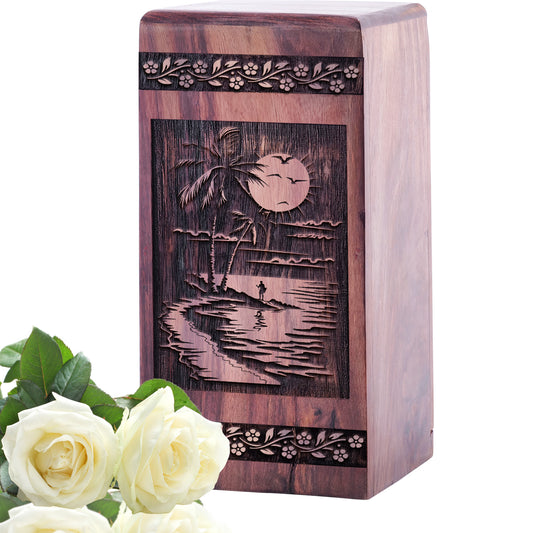
During times of loss, many families choose meaningful ways to honor their loved ones. Items like Cremation Urns Wooden, Decorative Wooden Boxes, or a Handmade Wood Urn Box can serve as a beautiful tribute.
A Wood Cremation Urn for Human Ashes or a Rosewood Urn Box not only preserves memories but also provides a sense of comfort. Whether you choose a Small Wood Urn or a Large Wooden Box, these memorials become a lasting symbol of love.
Options like:
- Funeral Boxes For Ashes
- Wood Urn Box
- Cremation Urn Wooden Box
- Wood Box Urn For Ashes
offer both elegance and emotional connection.
Many families prefer Handmade Wooden designs crafted from quality materials like Ash Wood, creating a timeless tribute.
Choosing the Right Words Matters
Understanding how to respond to sorry for your loss is less about finding perfect words and more about acknowledging kindness.
Even a simple “thank you” carries deep meaning.
Common Mistakes to Avoid
When replying to condolences, avoid:
- Over-explaining your emotions
- Feeling pressured to respond immediately
- Ignoring messages for too long (if possible)
Keep your response genuine and simple.
FAQ Section
What to reply if someone says “sorry for your loss”?
When someone says “sorry for your loss,” they are expressing sympathy and acknowledging your grief. You are not expected to give a long or perfect response—grief doesn’t require performance. A simple reply like “Thank you, I appreciate it” is always appropriate and enough.
However, your response can vary depending on how you feel in that moment. If you’re emotionally drained, a short acknowledgment is perfectly fine. If you feel a bit more open, you might say something like, “Thank you, it means a lot to me,” or “I appreciate your kindness during this time.”
It’s important to remember that people offering condolences are trying to show care, even if they don’t always know the right words. Your reply doesn’t have to carry emotional weight—it’s simply a way to acknowledge their support.
How do I respond to a condolence message?
Responding to condolence messages—whether they come through text, social media, or in person—can feel overwhelming, especially when you’re grieving. There is no strict rule for how or when you should reply. The most important thing is to respond in a way that feels manageable for you.
A common and respectful approach is to express gratitude. Phrases like “Thank you for your kind words,” “I truly appreciate your support,” or “Your message brought me comfort” are all meaningful responses.
If you have the emotional energy, you can personalize your response slightly by acknowledging the relationship or memory shared. For example: “Thank you, they always spoke highly of you,” or “Your message reminded me of some beautiful memories.”
If replying individually feels too difficult, it is also completely acceptable to post a general thank-you message to everyone who reached out. Grief is exhausting, and people understand that.
How do I acknowledge a kind condolence message?
Acknowledging a condolence message is less about finding perfect words and more about recognizing the care behind the message. Even a simple acknowledgment can be meaningful.
You might say:
- “Your message means a lot to me, thank you.”
- “I’m grateful for your support during this difficult time.”
- “Thank you for thinking of me and my family.”
If the message was especially heartfelt or detailed, you can reflect that back by saying something like, “I really appreciate you taking the time to write such a thoughtful message.”
The key idea is sincerity. You don’t need elaborate language—just a genuine expression of appreciation is enough to acknowledge the kindness you received.
What to say when someone dies (condolences)?
When someone passes away, finding the right words to comfort others can feel difficult. The goal of a condolence message is not to fix grief, but to offer support and let the person know they are not alone.
Simple, heartfelt messages are often the most comforting:
- “I’m so sorry for your loss.”
- “My thoughts and prayers are with you and your family.”
- “Wishing you strength and peace during this time.”
If you knew the person who passed away, it can be meaningful to include a brief memory or kind note, such as:
“They were a wonderful person, and I feel lucky to have known them.”
Avoid overcomplicating your message or trying to give advice. Presence and sincerity matter more than perfect wording.
Is “I’m sorry for your loss” rude?
No, “I’m sorry for your loss” is not rude at all. In fact, it is one of the most widely accepted and respectful ways to express sympathy. It is simple, direct, and universally understood.
Some people worry that the phrase sounds repetitive or generic, but during times of grief, simplicity can actually be comforting. It avoids saying anything that might unintentionally feel insensitive or overwhelming.
Even if someone phrases it imperfectly, such as “sorry for you lost,” the intention behind the message is what truly matters. Most people are simply trying to express care and support, even if their wording isn’t perfect.
Final Thoughts
Grief is deeply personal, and there’s no single “correct” way to respond. Whether you choose a short reply or a heartfelt message, what matters most is authenticity.
If you ever feel unsure about how to respond to I’m sorry for your loss, remember this:
A simple “thank you” is always enough.
And as you navigate through loss, honoring your loved one—whether through memories, rituals, or meaningful items like a Wood Cremation Urn—can bring comfort and peace.