Baby at Funeral: Superstitions, Beliefs & What You Should Know (Complete Guide)

Funerals are deeply emotional events where traditions, beliefs, and cultural practices come together. One question that often arises for families is: Is it okay to bring a baby to a funeral?
This topic is surrounded by funeral superstitions, religious beliefs, and personal concerns, especially when it comes to babies, pregnancy, and young children. Some people strongly believe babies should be kept away from funerals, while others see their presence as comforting and meaningful.
In this complete guide, we’ll explore baby at funeral superstitions, Christian and Catholic beliefs, modern perspectives, and practical advice—so you can make the right decision with confidence.
Understanding Funeral Superstitions About Babies
Throughout history, babies have symbolized new life, purity, and innocence. Because funerals represent the end of life, this contrast has led to many beliefs and superstitions.
Common Superstitions Include:
- Babies are spiritually sensitive and should not be exposed to death
- Bringing a baby to a funeral may attract negative energy
- A baby’s presence could disturb the spirit of the deceased
- Taking a baby to a cemetery is considered bad luck in some cultures
However, it’s important to understand that these beliefs are cultural—not scientific or universally religious.
Is It Okay to Bring a Baby to a Funeral?
Yes, in most cases, it is completely okay to bring a baby to a funeral.
Modern families often base their decision on:
- Emotional comfort
- Practical needs
- Family expectations
When It Makes Sense:
- You don’t have childcare available
- The funeral is small or family-focused
- The baby is calm and manageable
When You Might Reconsider:
- The service is long or highly formal
- The environment may be overwhelming
- You’re emotionally unable to manage both grief and childcare
👉 The key is balance—respect for the occasion and care for your baby.
Funeral Superstitions: Christianity & Catholic Beliefs
Christianity
In Christianity, there is no restriction on babies attending funerals.
- Funerals focus on hope, eternal life, and remembrance
- Babies are seen as pure and blessed
- Their presence can symbolize life continuing after loss
Catholic Beliefs
In Catholic traditions:
- There is no official rule against bringing babies
- Funerals are sacred but inclusive
- Family presence, including children, is often welcomed
👉 Many “rules” people hear are actually cultural traditions—not religious teachings.
Taking Baby to Cemetery: Superstition Explained
One of the most common concerns is taking a baby to a cemetery.
Traditional Beliefs:
- Babies may attract spirits
- Their energy is considered vulnerable
- Cemeteries are not suitable for young children
Modern Reality:
- There is no evidence supporting these beliefs
- Visiting a cemetery can be a meaningful way to connect with family
- Many parents safely bring babies without any issue
👉 This is a personal decision—not a rule you must follow.
Superstitions About Pregnancy and Funerals
Pregnant women are often included in funeral-related beliefs.
Common Superstitions:
- Pregnant women should avoid funerals
- Spirits may affect the unborn child
- Exposure to grief can harm the baby
Truth:
- There is no medical or scientific proof
- Emotional stress is the only real concern
👉 If attending feels overwhelming, it’s okay to limit your time or not attend.
What Is the Superstition After Attending a Funeral?
Many cultures follow certain rituals after a funeral:
- Washing hands after returning home
- Changing clothes
- Avoiding entering the house immediately
These practices are symbolic and help people feel:
- Cleansed
- Emotionally reset
- Protected
👉 They are more about tradition and comfort than actual superstition.
What Is the 3-6-9 Rule for Babies?
The 3-6-9 rule refers to developmental stages in babies:
- 3 months → awareness
- 6 months → interaction
- 9 months → mobility
This is not directly related to funerals, but sometimes people connect baby sensitivity to these stages.
What Should I Put My Baby in for a Funeral?
Dressing your baby appropriately is important.
Best Options:
- Soft, comfortable clothing
- Neutral colors (white, cream, light grey)
- Weather-appropriate outfit
Avoid:
- Bright flashy colors
- Uncomfortable outfits
👉 Keep it simple, respectful, and comfortable.
What to Avoid at a Funeral
Whether attending with a baby or not, avoid:
- Loud or disruptive behavior
- Phone usage during service
- Taking inappropriate photos
- Ignoring traditions
If your baby cries, simply step outside—this is completely acceptable.
What to Say at a Funeral for a Baby
When a baby has passed, words can be incredibly difficult.
Simple and Respectful Things to Say:
- “I’m so sorry for your loss.”
- “Your baby will always be remembered.”
- “I’m here for you.”
👉 Avoid trying to explain or “fix” the situation—just offer support.
Is It Okay to Bring a 7-Year-Old to a Funeral?
Yes, but preparation is important.
Tips:
- Explain what will happen
- Allow questions
- Provide emotional reassurance
Children can benefit from understanding loss in a safe environment.
What Can a Mother Say at Her Son’s Funeral?
This is deeply personal.
A mother may:
- Share memories
- Express love
- Speak honestly from the heart
There is no perfect speech—authentic emotion matters most.
What Scripture Do You Read for a Baby’s Funeral?
Many families turn to faith for comfort.
Common Scriptures:
- Matthew 19:14 – “Let the little children come to me…”
- Psalm 23
- Ecclesiastes 3
These focus on:
- Peace
- Innocence
- Eternal care
Emotional Understanding: Babies & Love
What Month Is the Hardest With a Baby?
Usually:
- First 3 months (adjustment phase)
How Do Babies Say “I Love You”?
- Smiling
- Eye contact
- Reaching out
- Feeling calm with you
👉 These small gestures become powerful in times of grief.
Cremation, Memorials & Honoring Loved Ones
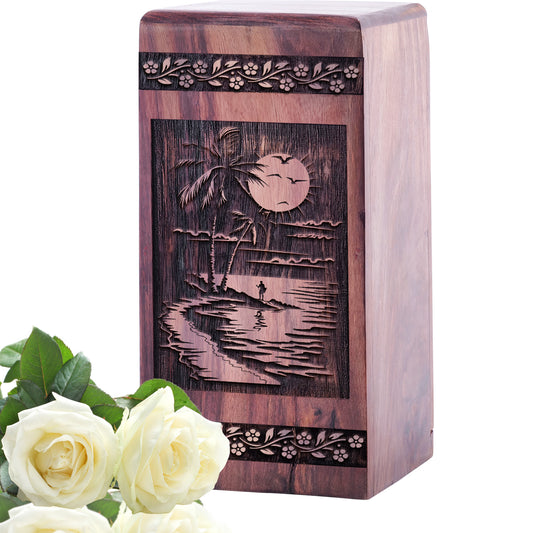
In today’s world, many families choose cremation for its simplicity and flexibility.
A meaningful way to honor a loved one is by choosing:
These serve as:
- A place of remembrance
- A connection to your loved one
- A source of emotional comfort
A carefully selected wooden urn for ashes or a beautifully designed memorial urn can help families preserve memories with dignity and respect.
Final Thoughts
The idea of a baby at funeral is surrounded by many beliefs, but most are based on tradition rather than fact.
👉 What truly matters is:
- Your comfort
- Your family’s values
- Respect for the occasion
There is no right or wrong choice—only what feels meaningful to you.
Funerals are about honoring life, expressing love, and beginning healing. Whether a baby is present or not, the purpose remains the same.
FAQs
What is the superstition about babies at funerals?
Some believe babies are spiritually sensitive, while others see them as symbols of peace and new life.
Is it okay to bring a baby to a funeral?
Yes, it is generally acceptable depending on the situation.
What are the superstitions about pregnancy and funerals?
Some cultures advise avoiding funerals, but there is no scientific proof.
What is the superstition after attending a funeral?
Rituals like washing hands or changing clothes are symbolic traditions.
What should I put my baby in for a funeral?
Simple, neutral, and comfortable clothing is best.
What to avoid at a funeral?
Avoid disruptive behavior, phone usage, and disrespecting traditions.
Read More Articles -
Cost of Burial Plots in the US: Prices, Location, and Affordable Alternatives (2025 Guide)
Simple Direct Cremation Cost Explained — Affordable Cremation Without Funeral Services
How Much Does It Cost to Get Cremated? Detailed Cremation Cost Guide for Families
How Much Does It Cost to Cremate a Dog? Full Guide to Pet Cremation Costs & Options