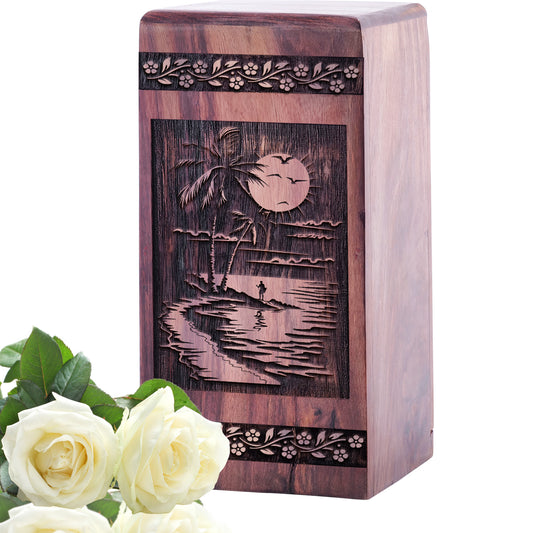
Understanding the Journey of Urns After Burial in a Cemetery | Complete Guide

For families choosing cremation, placing a loved one’s ashes in carefully chosen urns is one of the most meaningful steps of the memorial process. But once the ceremony concludes and the urns are lowered into the cemetery ground or placed in a designated burial chamber, many people wonder: What happens next? Understanding the journey of urns after burial can offer comfort, clarity, and confidence during a difficult time. This article explores every stage of that journey—from burial preparation to long-term protection—while maintaining a compassionate and human-centered perspective.
Why Families Choose to Bury Urns
Burying urns is a common choice among families who want a traditional resting place without choosing full-body burial. It allows loved ones to visit a specific location, create a permanent memorial, and follow religious or cultural preferences. Many cemeteries offer specialized cremation sections, enabling families to bury urns beside other relatives or within family plots.
Some families prefer the simplicity, affordability, and environmental considerations of cremation. Others choose burial of urns because it blends tradition with modern memorial options. Whatever the reason, the journey of buried urns begins long before they are placed into the earth.
The Role of Cemeteries in Preparing for Urn Burial
Before the burial day arrives, cemeteries follow a detailed set of procedures to ensure the respectful handling of urns. These steps maintain both dignity and compliance with cemetery regulations.
1. Designating the Burial Plot
Families typically purchase a cremation plot, which may be smaller than a traditional grave. The cemetery records the location and assigns a unique identifier so that the placement of urns remains traceable for generations. This ensures that future visits, historical records, or genealogical research can be accurately supported.
2. Preparing the Ground or Niche
Depending on the family’s choice, urns may be buried underground or placed in an above-ground option like a columbarium niche. For ground burials, the cemetery staff prepares a small space—often much shallower and more compact than a full-body grave.
3. Discussing Vaults and Protective Containers
Many cemeteries recommend or require burial vaults to protect urns. These vaults prevent the ground from shifting, safeguard the container from environmental elements, and maintain the structural integrity of the cemetery landscape. While some urns are built to withstand burial environments, vaults offer an extra layer of long-term protection.
What Happens During the Actual Burial Ceremony?
Whether a family chooses a quiet, private burial or a service accompanied by prayers, readings, or rituals, the process is handled with the same respect cemeteries give to traditional burials. The urns are lowered gently into the prepared space, either placed directly into soil or inside a vault first. After the ceremony, cemetery staff completes the burial by closing the ground, leveling the site, and marking the area according to the family’s preference.
Markers may include:
- Headstones
- Flat ground plaques
- Granite or stone memorials
- Personalized inscriptions
Each marker ensures that urns remain part of a clearly identifiable and long-lasting memorial.
The Journey of Urns After They Are Buried
Once the burial is complete, the journey of urns shifts from ceremonial to long-term preservation. Many families are unaware of how carefully urns are maintained even after they are out of sight.
1. Protection from Soil and Environment
If the burial involves a vault, the vault provides a sealed barrier between the urns and surrounding soil. This prevents shifting, moisture intrusion, and compression over time. Even without a vault, cemeteries select soils and burial practices that minimize erosion and maintain stable conditions.
2. Natural Aging of Urns Materials
Various materials behave differently underground:
- Metal urns (like brass or stainless steel) remain durable for decades or longer.
- Ceramic urns stay well-preserved but can become brittle if placed without protective outer containers.
- Biodegradable urns intentionally break down over time, releasing ashes naturally into the earth.
- Wooden urns decompose, unless sealed inside non-biodegradable vaults.
Understanding this helps families choose urns that match their values, whether environmental or traditional.
3. Cemetery Maintenance and Care
Cemeteries maintain detailed maps and digital records showing the exact locations of buried urns. Groundskeepers regularly inspect and maintain the area to ensure that markers remain level, grass is trimmed, and burial plots stay in pristine condition. These caretaking routines ensure that urns remain protected and accessible for future generations.
Can Urns Be Moved After Burial?
Yes, urns can be relocated, but the process requires specific legal steps, cemetery permissions, and proper documentation. Families sometimes choose to move urns if they buy a new family plot, move to a different region, or want to place multiple loved ones together. Cemeteries assist with:
- Locating the exact burial spot
- Obtaining permits
- Opening the grave
- Safely retrieving the urns or vault
- Reburying them at the new site
While emotional, the process is often easier compared to moving a full-body burial.
The Role of Cultural and Religious Beliefs
Cultural values shape how urns are treated after burial. For example:
- Some traditions require urns to remain undisturbed forever.
- Others support family relocation or collective burial in family plots.
- Certain faiths prefer biodegradable urns that return ashes to the earth naturally.
Cemeteries adapt to these practices, ensuring that the handling of urns aligns with the family’s customs.
Long-Term Legacy and Visiting Loved Ones
One of the greatest comforts of burying urns is having a permanent place to visit. Cemeteries are designed to support meaningful reflection, with serene landscaping, benches, and peaceful surroundings. Whether families visit annually, on special occasions, or spontaneously, the burial site provides connection and emotional grounding.
Markers ensure that urns are not forgotten, and many cemeteries now offer digital memorials or GPS-linked grave locators to help future generations find the resting place. The journey of urns after burial becomes part of a family’s legacy, offering comfort for decades and even centuries.
Choosing the Right Urn Before Burial
Before the burial journey begins, selecting the right urns is essential. Factors to consider:
- Material - Choose metal, ceramic, marble, biodegradable, or wooden urns based on the burial method.
- Size - Ensure urns are large enough to hold the ashes. Adult urns typically store 180–220 cubic inches.
- Design and Meaning - Some families choose symbolic designs—floral, religious, butterfly, or scenic themes—to represent the personality or beliefs of their loved one.
- Compliance With Cemetery Rules - Cemeteries may specify acceptable materials, vault requirements, or size limits. Always confirm before purchasing urns.
Conclusion
Understanding the journey of urns after burial helps families make informed, compassionate decisions during one of life’s most emotional moments. From preparation and ceremony to long-term protection and legacy, cemeteries play a vital role in ensuring that urns remain safe, respected, and thoughtfully maintained. Whether choosing a traditional material or a biodegradable option, families can trust that buried urns are handled with dignity every step of the way.
Read More Related Articles -
What Does the Bible Say About Cremation? | Christian Teachings & Faith Perspectives
How to Explain Cremation to a Child with Love, Care, and Understanding
Types of Funeral Traditions in US: A Complete Guide to American Farewells
Who Has the Right to Ashes After Cremation? | Legal & Emotional Guide
Is It Unlucky to Keep Ashes at Home? Myths, Beliefs & Modern Perspectives