Tips for Collecting Ashes After Cremation & Keeping Them at Home

Losing a loved one is one of the most emotional experiences anyone can face. After the cremation ceremony, families are often left with important decisions—one of the most significant being how to collect, store, and honor the ashes respectfully. Alongside practical considerations, cultural beliefs and emotional concerns also arise, especially around questions like “Is it bad luck to keep ashes in the house?”
This article offers thoughtful guidance on collecting ashes after cremation, choosing the right urn, and understanding the emotional and cultural aspects associated with keeping ashes at home. Whether you choose Wooden urns or metal urns, being informed can help you make a decision that brings peace and dignity.
Understanding the Process of Collecting Ashes After Cremation
After cremation, the ashes—also known as cremated remains—are carefully processed and placed in a temporary container or urn. Families are usually given the option to transfer the remains into a permanent memorial urn of their choice.
It’s important to understand that ashes represent the physical memory of your loved one, and collecting them is both a ceremonial and emotional moment. Taking your time and knowing what to expect can make this step more meaningful and less overwhelming.
Tips to Keep in Mind While Collecting Ashes
1. Choose the Right Time
Grief affects everyone differently. There is no urgency to collect ashes immediately unless required. Choose a moment when you feel emotionally prepared and supported.
2. Select an Appropriate Urn in Advance
Deciding beforehand between Wooden urns and metal urns can simplify the process. Knowing your preference allows funeral staff to transfer the ashes smoothly into the chosen urn.
3. Handle the Urn With Care
Ashes are delicate and sacred. Always ensure the urn is properly sealed and handled respectfully, especially if you plan to transport it.
4. Ask About Ash Quantity
Adult cremation remains typically weigh between 3–5 pounds. Make sure the urn capacity is suitable, whether you opt for traditional Wooden urns or durable metal urns.
Wooden Urns: A Symbol of Warmth and Nature
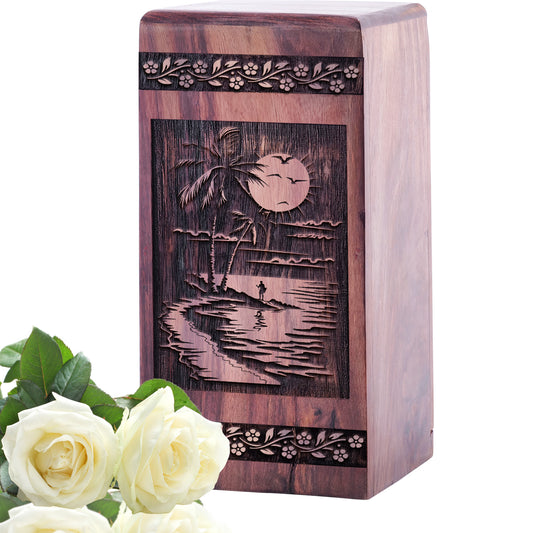
Wooden urns are widely chosen for their natural beauty, warmth, and timeless appeal. Crafted from materials such as oak, walnut, or mahogany, they often symbolize a return to nature and provide a calming presence.
Benefits of Wooden Urns
- Eco-friendly and biodegradable options
- Aesthetic warmth suitable for home memorials
- Customizable with engravings or carvings
- Ideal for spiritual or traditional settings
Many families feel that Wooden urns blend seamlessly into home interiors, making them comforting for those who plan to keep ashes at home.
Metal Urns: Strength, Durability, and Elegance
Metal urns are known for their strength and longevity. Made from brass, aluminum, or stainless steel, they provide excellent protection against environmental elements.
Benefits of Metal Urns
- Highly durable and long-lasting
- Resistant to moisture and temperature changes
- Available in modern and traditional designs
- Suitable for burial, columbarium placement, or home storage
Families seeking security and permanence often prefer metal urns, especially when ashes will be kept for extended periods.
Is It Bad Luck to Keep Ashes in the House?
This is a common question rooted in cultural beliefs, religious traditions, and personal values. The truth is, there is no universal rule.
Cultural Perspectives
- In many cultures, keeping ashes at home is considered respectful and spiritually comforting.
- Some traditions believe ashes should be immersed or buried to help the soul find peace.
- Others encourage home memorials using Wooden urns or metal urns as a sign of continued remembrance.
Emotional Well-being Matters Most
From a psychological perspective, keeping ashes at home can help families feel close to their loved one. The presence of a well-chosen urn can provide comfort during the grieving process.
Where to Place an Urn at Home
If you choose to keep ashes at home, placement is important:
- Select a peaceful, clean, and respectful space
- Avoid placing urns near clutter or high-traffic areas
- Many families create a small memorial corner with photos and candles
Both Wooden urns and metal urns are suitable for home placement, depending on décor and emotional preference.
Religious and Spiritual Considerations
Religious beliefs often guide decisions about ashes:
- Hindu traditions typically recommend immersion
- Christian beliefs vary, with many churches allowing home placement
- Buddhist practices often include keeping ashes temporarily before rituals
It’s always best to consult a spiritual leader if you’re unsure. Regardless of belief, Wooden urns and metal urns are widely accepted across traditions.
Common Myths About Keeping Ashes at Home
-
Myth: Keeping ashes brings bad luck
Fact: There is no scientific or universal spiritual evidence supporting this. -
Myth: Ashes attract negative energy
Fact: Emotional peace depends on mindset, not the urn material. -
Myth: Only metal urns are acceptable
Fact: Both Wooden urns and metal urns are equally respectful choices.
Making the Right Choice for Your Family
Choosing between Wooden urns and metal urns should depend on:
- Emotional comfort
- Cultural or religious beliefs
- Intended placement (home, burial, memorial)
- Personal aesthetic preference
There is no “right” or “wrong” choice—only what feels meaningful to you.
Final Thoughts
Collecting ashes after cremation is a deeply personal experience. Whether you decide to keep them at home or follow traditional rites, the most important aspect is honoring your loved one with dignity and love. Understanding cultural beliefs, choosing the right urn, and trusting your emotions can help bring peace during a difficult time.
Both Wooden urns and metal urns offer beautiful, respectful ways to preserve memories and maintain a lasting connection with those we cherish.
Read More Related Articles -
Funeral Superstitions: Baby at Funeral Beliefs
Understanding the Journey of Urns After Burial in a Cemetery | Complete Guide
New York State Cremation Laws – What You Need to Know Before an Urn for Ashes
What Does the Bible Say About Cremation? | Christian Teachings & Faith Perspectives